How to Make a Budget in 2026: Your Complete Step-by-Step Guide to Financial Freedom
Affiliate disclosure: This article may contain affiliate links. Recommendations are independent and editorially driven.
Estimated Reading Time: 20-25 minutes
What You’ll Learn:
- Why budgeting is an indispensable tool for financial success in 2026 and beyond.
- How to accurately assess your current income and expenses.
- An overview of popular budgeting methods like the 50/30/20 rule, zero-based budgeting, and the envelope system.
- A practical, step-by-step process for creating a budget that works for your unique situation.
- The best tools and resources, including apps and templates, to simplify your budgeting journey.
- Strategies for maintaining your budget, adapting to financial changes, and avoiding common pitfalls.
- How to use your budget as a roadmap to achieve significant financial goals, from paying off debt to building wealth.
Embarking on the journey to financial freedom can feel daunting, but it doesn’t have to be. The single most powerful tool at your disposal is a budget. In 2026, with evolving economic landscapes and increasing costs of living, mastering the art of budgeting is more critical than ever. It’s not about restriction; it’s about empowerment, clarity, and intentionality with your money. A well-crafted budget transforms your financial narrative from one of uncertainty to one of control, paving the way for debt reduction, robust savings, and achieving long-held dreams.
This comprehensive guide from diaalnews will demystify the budgeting process, providing you with a clear, actionable roadmap to create, implement, and maintain a budget that genuinely works for you. Whether you’re a complete novice or looking to refine an existing system, prepare to unlock the secrets to financial mastery and build a more secure future.
Table of Contents
- Laying the Foundation: Understanding Your Financial Landscape
- Choosing the Right Budgeting Method for You
- Crafting Your Budget: Step-by-Step Implementation
- Budgeting Tools and Resources for 2026
- Maintaining and Optimizing Your Budget
- Common Budgeting Mistakes and How to Avoid Them
- Conclusion: Your Path to Financial Empowerment
- Frequently Asked Questions
Laying the Foundation: Understanding Your Financial Landscape
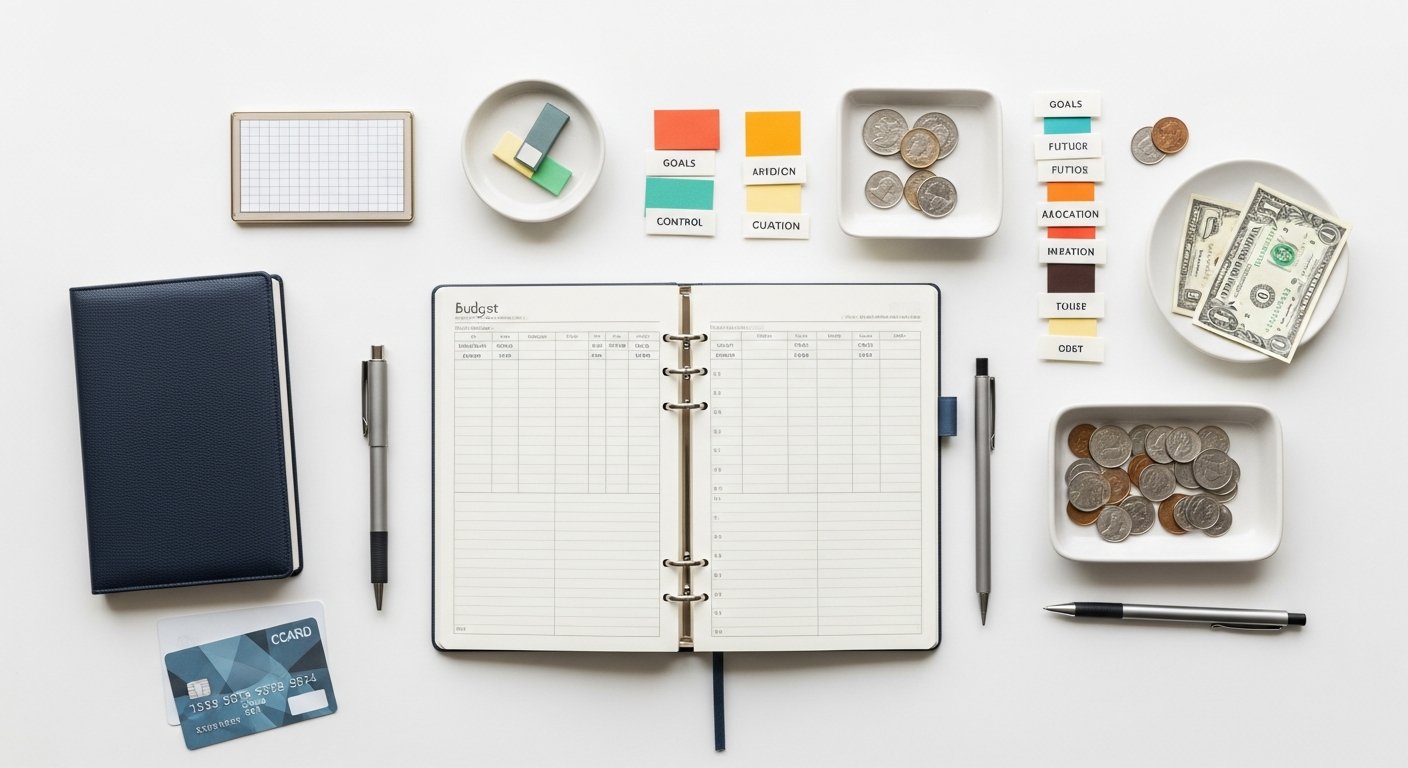
Before you can build an effective budget, you need a crystal-clear picture of your current financial situation. This involves a thorough assessment of both your income and your expenditures. Think of it as a financial audit of your own life – every dollar needs to be accounted for, both coming in and going out.
Calculate Your Total Income
Your income is the fuel for your financial engine. It’s crucial to know exactly how much net income (after taxes and deductions) you have available each month. Don’t just estimate; gather concrete evidence.
- Gather Pay Stubs: For salaried or hourly employees, collect your last few pay stubs. Focus on the ‘net pay’ or ‘take-home pay’ amount.
- Account for All Income Sources: Do you have a side hustle, freelance work, rental income, alimony, child support, or investment dividends? Make sure to include every single source of money coming into your household.
- Average Irregular Income: If your income fluctuates (e.g., commissions, freelancing), average your income over the last 3-6 months to get a realistic monthly figure. When in doubt, budget based on your lowest predictable income to avoid overspending.
- Calculate Total Monthly Net Income: Add up all these sources to arrive at your total monthly income after taxes and mandatory deductions. This is the number you’ll be working with.
Track Every Expense
This is often the most revealing, and sometimes shocking, part of the budgeting process. Most people underestimate how much they spend. The goal here is not to judge, but to understand. For at least one month, ideally two or three, meticulously track every single dollar you spend.
- Use a Method:
- Apps: Many budgeting apps (discussed later) can automatically categorize your spending by linking to your bank accounts and credit cards.
- Spreadsheets: A simple Excel or Google Sheet can be highly effective. Create columns for date, item, amount, and category.
- Notebook & Pen: Old school, but effective. Carry a small notebook and jot down every purchase as you make it.
- Bank & Credit Card Statements: Reviewing these at the end of the month will catch anything you missed, but real-time tracking gives you better awareness.
- Be Detailed: Don’t just write “shopping.” Write “groceries – $120,” “coffee – $4,” “new shirt – $35.” The more detail, the better insight you’ll gain.
- Categorize Your Spending: As you track, start sorting expenses into categories. Common categories include:
- Housing (rent/mortgage, utilities)
- Transportation (car payment, gas, public transport)
- Food (groceries, dining out)
- Insurance (health, car, home)
- Debt Payments (credit cards, student loans, personal loans)
- Personal Care (haircuts, toiletries)
- Entertainment (movies, hobbies)
- Clothing
- Savings
- Miscellaneous
This tracking period is critical. It provides the raw data needed to build a realistic and sustainable budget. Without this clear understanding of your spending habits, any budget you create will be based on assumptions, making it far less effective.
Differentiate Between Needs and Wants
Once you have a clear list of your income and expenses, the next vital step is to distinguish between what you truly need to live and what you want to improve your quality of life. This distinction is the bedrock of making informed financial decisions and finding areas for potential savings.
- Needs: These are the essential expenses required for survival and basic well-being.
- Housing (shelter)
- Utilities (electricity, water, heat)
- Food (basic groceries for meals at home)
- Transportation (to work, school, or essential errands)
- Basic Clothing
- Healthcare (insurance, necessary medications)
- Minimum debt payments (to avoid default)
The key question to ask is: “Could I survive without this?” If the answer is no, it’s likely a need.
- Wants: These are expenses that improve your quality of life, provide enjoyment, or offer convenience, but are not strictly necessary for survival.
- Dining out at restaurants
- Subscription services (streaming, gym memberships you don’t use)
- Vacations and travel
- New gadgets or fashion items
- Concerts, movies, or other entertainment
- Expensive coffee shop drinks
- Premium groceries or convenience foods
- A car payment for a luxury vehicle when a more affordable option would suffice
The question here is: “Could I live without this, even if it would be less enjoyable?” If the answer is yes, it’s a want.
The line between needs and wants can sometimes feel blurry, especially as societal norms evolve. For instance, internet access might be considered a ‘want’ by some, but for many in 2026, it’s an essential ‘need’ for work, education, and communication. The important thing is to be honest with yourself and categorize expenses based on their true necessity for your household. This exercise helps you identify areas where you can cut back if needed, without compromising your basic living standards.
Choosing the Right Budgeting Method for You
There’s no one-size-fits-all approach to budgeting. What works for one person might not work for another. The key is to find a method that aligns with your personality, financial complexity, and level of discipline. Here are some of the most popular and effective budgeting methods:
The 50/30/20 Rule
Popularized by Senator Elizabeth Warren in her book “All Your Worth: The Ultimate Lifetime Money Plan,” this method is straightforward and ideal for beginners.
- How it Works: After-tax income is divided into three main categories:
- 50% for Needs: This includes housing, utilities, groceries, transportation, insurance, and minimum debt payments.
- 30% for Wants: This covers discretionary spending like dining out, entertainment, hobbies, new clothes, vacations, and subscription services.
- 20% for Savings & Debt Repayment: This portion goes towards building an emergency fund, retirement contributions, paying off high-interest debt (above minimums), and other financial goals.
- Pros: Simple to understand and implement, flexible, allows for wants, and promotes clear financial priorities.
- Cons: Can be challenging if your needs already consume more than 50% of your income, or if you have significant debt. It requires some discipline to stick to the percentages.
- Best For: Individuals or families seeking a balanced approach without micromanaging every dollar, especially those with relatively stable incomes.
Zero-Based Budgeting
With zero-based budgeting, every dollar of your income is assigned a “job” (spending, saving, or debt repayment) until your income minus your expenses equals zero. It doesn’t literally mean you have zero dollars in your bank account; it means every dollar is accounted for on paper.
- How it Works:
- List all your income for the month.
- List all your fixed and variable expenses, savings goals, and debt payments.
- Allocate your entire income to these categories until the amount remaining is zero.
This means if you have $4,000 in income, you need to budget $4,000 across all categories. If you have $100 left over, you must assign that $100 to something, like extra debt payment or savings.
- Pros: Maximizes financial control, ensures every dollar is intentional, helps identify wasteful spending, and highly effective for reaching specific financial goals.
- Cons: Requires meticulous tracking and can be time-consuming, less flexible if income fluctuates frequently, and can feel restrictive if not managed well.
- Best For: Those who want complete control over their money, individuals aiming to aggressively pay off debt or save, and those with a disciplined approach to finances.
The Envelope System (Cash Budgeting)
A classic, tactile method that’s perfect for managing variable expenses. It relies on physical cash and envelopes.
- How it Works:
- At the beginning of each pay period, withdraw cash for your variable expense categories (e.g., groceries, entertainment, dining out, personal care).
- Place the allocated cash into separate envelopes labeled for each category.
- When you need to spend in a category, take cash from that specific envelope.
- Once an envelope is empty, you stop spending in that category until the next pay period.
Fixed expenses (rent, mortgage, loan payments) are typically paid electronically and not managed with envelopes.
- Pros: Excellent for curbing overspending, creates a strong visual and physical barrier to impulse buys, helps you truly feel the impact of your spending.
- Cons: Not practical for all expenses (e.g., online shopping, large bills), carrying large amounts of cash can be risky, requires regular trips to the bank/ATM, and less convenient in a largely cashless society.
- Best For: People who struggle with overspending on specific variable categories, visual learners, and those looking for a tangible way to manage their money.
Paycheck-to-Paycheck Budgeting (Often for Debt Reduction)
While often used out of necessity, this method can also be a strategic tool for managing cash flow, especially when aggressively tackling debt.
- How it Works: You allocate the funds from each paycheck to cover bills and expenses due before your next paycheck arrives. Instead of a monthly budget, you plan based on your pay cycle. For example, if you get paid bi-weekly, you’ll plan two mini-budgets per month.
- Pros: Provides a hyper-focused approach to cash flow management, ensures bills are paid on time, and can be very effective for breaking the cycle of living paycheck to paycheck by carefully allocating funds.
- Cons: Can be stressful if income is inconsistent, requires frequent monitoring, and leaves little room for error or unexpected expenses if not paired with an emergency fund.
- Best For: Those living paycheck to paycheck who need strict cash flow management, or individuals aggressively paying down debt who need to optimize every payment cycle.
Reverse Budgeting
This method flips the traditional budgeting approach. Instead of tracking every penny, you prioritize savings first.
- How it Works:
- Decide on a savings goal (e.g., save 10-20% of your income).
- Automate transfers for that savings amount to a separate savings or investment account immediately after you get paid.
- Spend the rest of your income freely, knowing your financial goals are already being met.
- Pros: Simple, less restrictive, focuses on goals rather than deprivation, and highly effective for building wealth through automation.
- Cons: Less detailed insight into spending habits, might not be suitable if you have significant debt to manage, and still requires some awareness to avoid overspending beyond your remaining funds.
- Best For: Individuals who want to prioritize savings without detailed tracking, those who generally have good spending habits, and high-income earners.
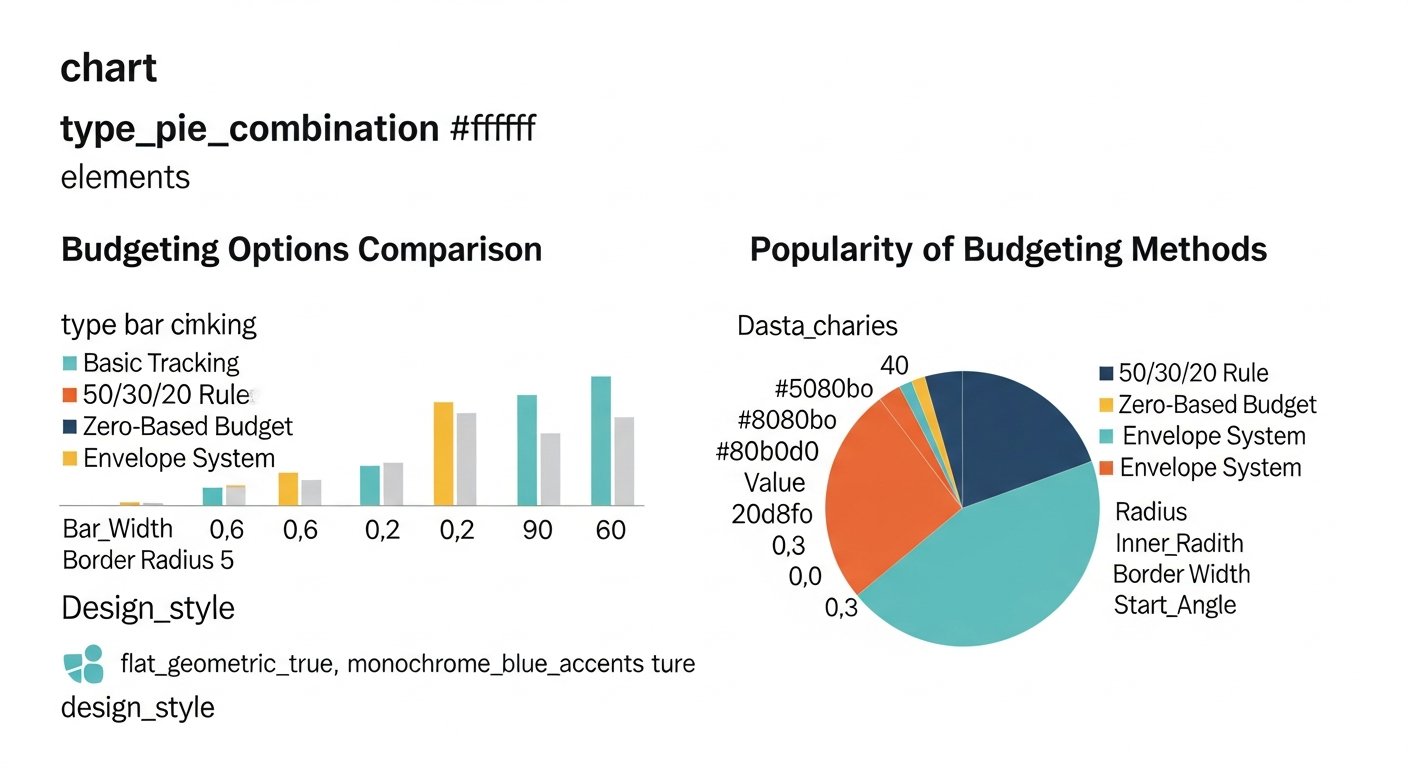
[INLINE IMAGE 1: place after second H2 | alt=”how to make a budget concept illustration”]
Comparison of Budgeting Methods
To help you decide, here’s a quick comparison of the budgeting methods:
| Budgeting Method | Primary Focus | Complexity | Best For | Key Benefit |
|---|---|---|---|---|
| 50/30/20 Rule | Balanced spending & saving | Low | Beginners, stable income, balanced lifestyle | Simplicity and clear guidelines |
| Zero-Based Budgeting | Intentional allocation of every dollar | High | Debt payoff, aggressive saving, control freaks | Maximum control and goal achievement |
| Envelope System | Controlling variable cash spending | Medium (for cash) | Overspenders, visual/tactile learners | Stops overspending on impulse buys |
| Paycheck-to-Paycheck Budgeting | Cash flow management by pay cycle | Medium | Irregular income, aggressive debt payoff on tight margins | Ensures bills are paid on time, hyper-focused |
| Reverse Budgeting | Prioritizing savings first | Low | Good spenders, high income, wealth builders | Automated savings and less tracking |
Consider your personal financial situation, your comfort level with tracking, and your primary financial goals when choosing a method. Remember, you can always start with one and adapt or switch if it’s not working for you. The most effective budget is the one you can stick to.
Crafting Your Budget: Step-by-Step Implementation
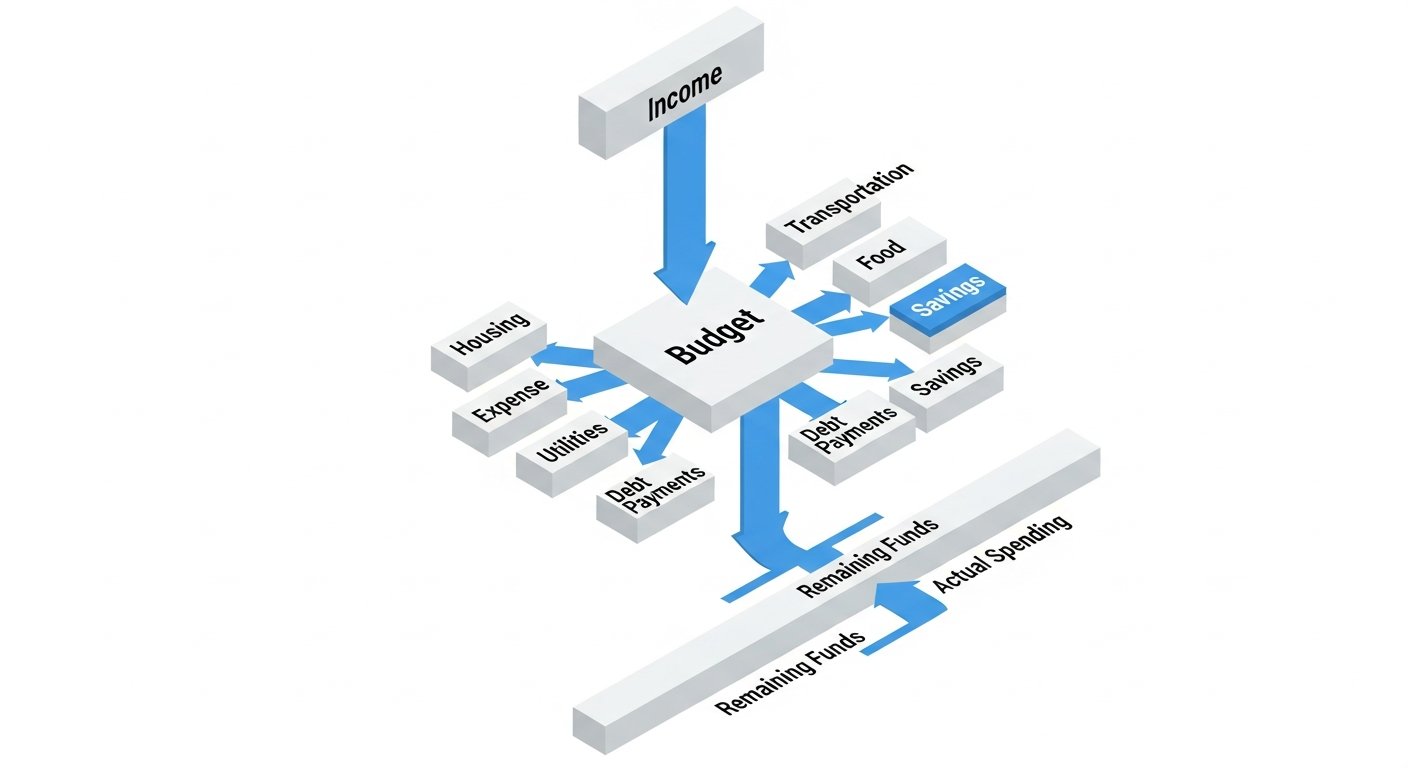
Now that you’ve gathered your financial data and chosen a method, it’s time to put pen to paper (or fingers to keyboard) and build your budget. This section will guide you through the practical steps.
Step 1: Gather Your Financial Data
Before you begin allocating funds, ensure you have all necessary information at your fingertips. This includes:
- Your calculated total monthly net income. (From Section 1)
- Your detailed expense tracking data. (From Section 1)
- Statements for all recurring bills: rent/mortgage, utilities (average if variable), loan payments, insurance premiums, subscriptions.
- Goals: A clear understanding of your financial goals (e.g., specific debt amounts, savings targets for an emergency fund, down payment, retirement).
Having everything organized will streamline the budgeting process significantly.
Step 2: Determine Your Net Income
Confirm the exact amount of money you have coming in after taxes, 401(k) contributions (if before-tax), health insurance premiums, and any other mandatory deductions. This is the ‘take-home’ pay that you actually have available to budget. If your income varies, use a conservative average or your lowest predictable income.
Step 3: List All Your Fixed Expenses
Fixed expenses are those that generally stay the same month to month. These are typically the easiest to budget for.
- Rent or Mortgage Payment
- Car Payments
- Student Loan Payments
- Insurance Premiums (Health, Auto, Home/Renter’s)
- Subscription Services (Netflix, Spotify, gym memberships)
- Minimum Credit Card Payments (focus on minimums for now, we’ll address extra payments later)
Subtract the total of these fixed expenses from your net income. The remaining amount is what you have left for variable expenses, savings, and debt repayment beyond minimums.
Step 4: Estimate Your Variable Expenses
Based on your expense tracking from Section 1, allocate realistic amounts for your variable expenses. This is where many budgets fail due to unrealistic expectations.
- Groceries: Be honest about how much you spend. Try to reduce it, but don’t budget $200 if you consistently spend $500.
- Utilities: If they fluctuate (like electricity in summer/winter), average them over a year or budget for the higher end and save the difference in leaner months.
- Transportation: Gas, maintenance, public transport fares.
- Dining Out/Takeaway: A common area for overspending. Be realistic about how often you eat out.
- Entertainment: Movies, concerts, hobbies, nights out.
- Personal Care: Haircuts, toiletries, cosmetics.
- Clothing: Be mindful of how often you buy new items.
- Miscellaneous: Always have a buffer for small, unexpected costs.
Remember, this is where your “wants” typically reside. If you’re struggling to make ends meet or achieve savings goals, this is the first place to look for reductions. Learn more about effective ways to cut variable expenses in our dedicated guide.
Step 5: Allocate Funds According to Your Chosen Method
Now, apply your chosen budgeting method (50/30/20, Zero-Based, etc.) to your income and expenses:
- If using the 50/30/20 Rule:
- Ensure your fixed expenses + minimum debt payments
How to Make a Budget in 2026: Your Complete Step-by-Step Guide to Financial Freedom
Affiliate disclosure: This article may contain affiliate links. Recommendations are independent and editorially driven.
Estimated Reading Time: 20-25 minutes
What You’ll Learn:
- Why budgeting is an indispensable tool for financial success in 2026 and beyond.
- How to accurately assess your current income and expenses.
- An overview of popular budgeting methods like the 50/30/20 rule, zero-based budgeting, and the envelope system.
- A practical, step-by-step process for creating a budget that works for your unique situation.
- The best tools and resources, including apps and templates, to simplify your budgeting journey.
- Strategies for maintaining your budget, adapting to financial changes, and avoiding common pitfalls.
- How to use your budget as a roadmap to achieve significant financial goals, from paying off debt to building wealth.
Embarking on the journey to financial freedom can feel daunting, but it doesn’t have to be. The single most powerful tool at your disposal is a budget. In 2026, with evolving economic landscapes and increasing costs of living, mastering the art of budgeting is more critical than ever. It’s not about restriction; it’s about empowerment, clarity, and intentionality with your money. A well-crafted budget transforms your financial narrative from one of uncertainty to one of control, paving the way for debt reduction, robust savings, and achieving long-held dreams.
This comprehensive guide from diaalnews will demystify the budgeting process, providing you with a clear, actionable roadmap to create, implement, and maintain a budget that genuinely works for you. Whether you’re a complete novice or looking to refine an existing system, prepare to unlock the secrets to financial mastery and build a more secure future.
Table of Contents
- Laying the Foundation: Understanding Your Financial Landscape
- Choosing the Right Budgeting Method for You
- Crafting Your Budget: Step-by-Step Implementation
- Budgeting Tools and Resources for 2026
- Maintaining and Optimizing Your Budget
- Common Budgeting Mistakes and How to Avoid Them
- Conclusion: Your Path to Financial Empowerment
- Frequently Asked Questions
Laying the Foundation: Understanding Your Financial Landscape
Before you can build an effective budget, you need a crystal-clear picture of your current financial situation. This involves a thorough assessment of both your income and your expenditures. Think of it as a financial audit of your own life – every dollar needs to be accounted for, both coming in and going out.
Calculate Your Total Income
Your income is the fuel for your financial engine. It’s crucial to know exactly how much net income (after taxes and deductions) you have available each month. Don’t just estimate; gather concrete evidence.
- Gather Pay Stubs: For salaried or hourly employees, collect your last few pay stubs. Focus on the ‘net pay’ or ‘take-home pay’ amount.
- Account for All Income Sources: Do you have a side hustle, freelance work, rental income, alimony, child support, or investment dividends? Make sure to include every single source of money coming into your household.
- Average Irregular Income: If your income fluctuates (e.g., commissions, freelancing), average your income over the last 3-6 months to get a realistic monthly figure. When in doubt, budget based on your lowest predictable income to avoid overspending.
- Calculate Total Monthly Net Income: Add up all these sources to arrive at your total monthly income after taxes and mandatory deductions. This is the number you’ll be working with.
Track Every Expense
This is often the most revealing, and sometimes shocking, part of the budgeting process. Most people underestimate how much they spend. The goal here is not to judge, but to understand. For at least one month, ideally two or three, meticulously track every single dollar you spend.
- Use a Method:
- Apps: Many budgeting apps (discussed later) can automatically categorize your spending by linking to your bank accounts and credit cards.
- Spreadsheets: A simple Excel or Google Sheet can be highly effective. Create columns for date, item, amount, and category.
- Notebook & Pen: Old school, but effective. Carry a small notebook and jot down every purchase as you make it.
- Bank & Credit Card Statements: Reviewing these at the end of the month will catch anything you missed, but real-time tracking gives you better awareness.
- Be Detailed: Don’t just write “shopping.” Write “groceries – $120,” “coffee – $4,” “new shirt – $35.” The more detail, the better insight you’ll gain.
- Categorize Your Spending: As you track, start sorting expenses into categories. Common categories include:
- Housing (rent/mortgage, utilities)
- Transportation (car payment, gas, public transport)
- Food (groceries, dining out)
- Insurance (health, car, home)
- Debt Payments (credit cards, student loans, personal loans)
- Personal Care (haircuts, toiletries)
- Entertainment (movies, hobbies)
- Clothing
- Savings
- Miscellaneous
This tracking period is critical. It provides the raw data needed to build a realistic and sustainable budget. Without this clear understanding of your spending habits, any budget you create will be based on assumptions, making it far less effective.
Differentiate Between Needs and Wants
Once you have a clear list of your income and expenses, the next vital step is to distinguish between what you truly need to live and what you want to improve your quality of life. This distinction is the bedrock of making informed financial decisions and finding areas for potential savings.
- Needs: These are the essential expenses required for survival and basic well-being.
- Housing (shelter)
- Utilities (electricity, water, heat)
- Food (basic groceries for meals at home)
- Transportation (to work, school, or essential errands)
- Basic Clothing
- Healthcare (insurance, necessary medications)
- Minimum debt payments (to avoid default)
The key question to ask is: “Could I survive without this?” If the answer is no, it’s likely a need.
- Wants: These are expenses that improve your quality of life, provide enjoyment, or offer convenience, but are not strictly necessary for survival.
- Dining out at restaurants
- Subscription services (streaming, gym memberships you don’t use)
- Vacations and travel
- New gadgets or fashion items
- Concerts, movies, or other entertainment
- Expensive coffee shop drinks
- Premium groceries or convenience foods
- A car payment for a luxury vehicle when a more affordable option would suffice
The question here is: “Could I live without this, even if it would be less enjoyable?” If the answer is yes, it’s a want.
The line between needs and wants can sometimes feel blurry, especially as societal norms evolve. For instance, internet access might be considered a ‘want’ by some, but for many in 2026, it’s an essential ‘need’ for work, education, and communication. The important thing is to be honest with yourself and categorize expenses based on their true necessity for your household. This exercise helps you identify areas where you can cut back if needed, without compromising your basic living standards.
Choosing the Right Budgeting Method for You
There’s no one-size-fits-all approach to budgeting. What works for one person might not work for another. The key is to find a method that aligns with your personality, financial complexity, and level of discipline. Here are some of the most popular and effective budgeting methods:
The 50/30/20 Rule
Popularized by Senator Elizabeth Warren in her book “All Your Worth: The Ultimate Lifetime Money Plan,” this method is straightforward and ideal for beginners.
- How it Works: After-tax income is divided into three main categories:
- 50% for Needs: This includes housing, utilities, groceries, transportation, insurance, and minimum debt payments.
- 30% for Wants: This covers discretionary spending like dining out, entertainment, hobbies, new clothes, vacations, and subscription services.
- 20% for Savings & Debt Repayment: This portion goes towards building an emergency fund, retirement contributions, paying off high-interest debt (above minimums), and other financial goals.
- Pros: Simple to understand and implement, flexible, allows for wants, and promotes clear financial priorities.
- Cons: Can be challenging if your needs already consume more than 50% of your income, or if you have significant debt. It requires some discipline to stick to the percentages.
- Best For: Individuals or families seeking a balanced approach without micromanaging every dollar, especially those with relatively stable incomes.
Zero-Based Budgeting
With zero-based budgeting, every dollar of your income is assigned a “job” (spending, saving, or debt repayment) until your income minus your expenses equals zero. It doesn’t literally mean you have zero dollars in your bank account; it means every dollar is accounted for on paper.
- How it Works:
- List all your income for the month.
- List all your fixed and variable expenses, savings goals, and debt payments.
- Allocate your entire income to these categories until the amount remaining is zero.
This means if you have $4,000 in income, you need to budget $4,000 across all categories. If you have $100 left over, you must assign that $100 to something, like extra debt payment or savings.
- Pros: Maximizes financial control, ensures every dollar is intentional, helps identify wasteful spending, and highly effective for reaching specific financial goals.
- Cons: Requires meticulous tracking and can be time-consuming, less flexible if income fluctuates frequently, and can feel restrictive if not managed well.
- Best For: Those who want complete control over their money, individuals aiming to aggressively pay off debt or save, and those with a disciplined approach to finances.
The Envelope System (Cash Budgeting)
A classic, tactile method that’s perfect for managing variable expenses. It relies on physical cash and envelopes.
- How it Works:
- At the beginning of each pay period, withdraw cash for your variable expense categories (e.g., groceries, entertainment, dining out, personal care).
- Place the allocated cash into separate envelopes labeled for each category.
- When you need to spend in a category, take cash from that specific envelope.
- Once an envelope is empty, you stop spending in that category until the next pay period.
Fixed expenses (rent, mortgage, loan payments) are typically paid electronically and not managed with envelopes.
- Pros: Excellent for curbing overspending, creates a strong visual and physical barrier to impulse buys, helps you truly feel the impact of your spending.
- Cons: Not practical for all expenses (e.g., online shopping, large bills), carrying large amounts of cash can be risky, requires regular trips to the bank/ATM, and less convenient in a largely cashless society.
- Best For: People who struggle with overspending on specific variable categories, visual learners, and those looking for a tangible way to manage their money.
Paycheck-to-Paycheck Budgeting (Often for Debt Reduction)
While often used out of necessity, this method can also be a strategic tool for managing cash flow, especially when aggressively tackling debt.
- How it Works: You allocate the funds from each paycheck to cover bills and expenses due before your next paycheck arrives. Instead of a monthly budget, you plan based on your pay cycle. For example, if you get paid bi-weekly, you’ll plan two mini-budgets per month.
- Pros: Provides a hyper-focused approach to cash flow management, ensures bills are paid on time, and can be very effective for breaking the cycle of living paycheck to paycheck by carefully allocating funds.
- Cons: Can be stressful if income is inconsistent, requires frequent monitoring, and leaves little room for error or unexpected expenses if not paired with an emergency fund.
- Best For: Those living paycheck to paycheck who need strict cash flow management, or individuals aggressively paying down debt who need to optimize every payment cycle.
Reverse Budgeting
This method flips the traditional budgeting approach. Instead of tracking every penny, you prioritize savings first.
- How it Works:
- Decide on a savings goal (e.g., save 10-20% of your income).
- Automate transfers for that savings amount to a separate savings or investment account immediately after you get paid.
- Spend the rest of your income freely, knowing your financial goals are already being met.
- Pros: Simple, less restrictive, focuses on goals rather than deprivation, and highly effective for building wealth through automation.
- Cons: Less detailed insight into spending habits, might not be suitable if you have significant debt to manage, and still requires some awareness to avoid overspending beyond your remaining funds.
- Best For: Individuals who want to prioritize savings without detailed tracking, those who generally have good spending habits, and high-income earners.
[INLINE IMAGE 1: place after second H2 | alt=”how to make a budget concept illustration”]
Comparison of Budgeting Methods
To help you decide, here’s a quick comparison of the budgeting methods:
Budgeting Method Primary Focus Complexity Best For Key Benefit 50/30/20 Rule Balanced spending & saving Low Beginners, stable income, balanced lifestyle Simplicity and clear guidelines Zero-Based Budgeting Intentional allocation of every dollar High Debt payoff, aggressive saving, control freaks Maximum control and goal achievement Envelope System Controlling variable cash spending Medium (for cash) Overspenders, visual/tactile learners Stops overspending on impulse buys Paycheck-to-Paycheck Budgeting Cash flow management by pay cycle Medium Irregular income, aggressive debt payoff on tight margins Ensures bills are paid on time, hyper-focused Reverse Budgeting Prioritizing savings first Low Good spenders, high income, wealth builders Automated savings and less tracking Consider your personal financial situation, your comfort level with tracking, and your primary financial goals when choosing a method. Remember, you can always start with one and adapt or switch if it’s not working for you. The most effective budget is the one you can stick to.
Crafting Your Budget: Step-by-Step Implementation
Now that you’ve gathered your financial data and chosen a method, it’s time to put pen to paper (or fingers to keyboard) and build your budget. This section will guide you through the practical steps.
Step 1: Gather Your Financial Data
Before you begin allocating funds, ensure you have all necessary information at your fingertips. This includes:
- Your calculated total monthly net income. (From Section 1)
- Your detailed expense tracking data. (From Section 1)
- Statements for all recurring bills: rent/mortgage, utilities (average if variable), loan payments, insurance premiums, subscriptions.
- Goals: A clear understanding of your financial goals (e.g., specific debt amounts, savings targets for an emergency fund, down payment, retirement).
Having everything organized will streamline the budgeting process significantly.
Step 2: Determine Your Net Income
Confirm the exact amount of money you have coming in after taxes, 401(k) contributions (if before-tax), health insurance premiums, and any other mandatory deductions. This is the ‘take-home’ pay that you actually have available to budget. If your income varies, use a conservative average or your lowest predictable income.
Step 3: List All Your Fixed Expenses
Fixed expenses are those that generally stay the same month to month. These are typically the easiest to budget for.
- Rent or Mortgage Payment
- Car Payments
- Student Loan Payments
- Insurance Premiums (Health, Auto, Home/Renter’s)
- Subscription Services (Netflix, Spotify, gym memberships)
- Minimum Credit Card Payments (focus on minimums for now, we’ll address extra payments later)
Subtract the total of these fixed expenses from your net income. The remaining amount is what you have left for variable expenses, savings, and debt repayment beyond minimums.
Step 4: Estimate Your Variable Expenses
Based on your expense tracking from Section 1, allocate realistic amounts for your variable expenses. This is where many budgets fail due to unrealistic expectations.
- Groceries: Be honest about how much you spend. Try to reduce it, but don’t budget $200 if you consistently spend $500.
- Utilities: If they fluctuate (like electricity in summer/winter), average them over a year or budget for the higher end and save the difference in leaner months.
- Transportation: Gas, maintenance, public transport fares.
- Dining Out/Takeaway: A common area for overspending. Be realistic about how often you eat out.
- Entertainment: Movies, concerts, hobbies, nights out.
- Personal Care: Haircuts, toiletries, cosmetics.
- Clothing: Be mindful of how often you buy new items.
- Miscellaneous: Always have a buffer for small, unexpected costs.
Remember, this is where your “wants” typically reside. If you’re struggling to make ends meet or achieve savings goals, this is the first place to look for reductions. Learn more about effective ways to cut variable expenses in our dedicated guide.
Step 5: Allocate Funds According to Your Chosen Method
Now, apply your chosen budgeting method (50/30/20, Zero-Based, etc.) to your income and expenses:
- If using the 50/30/20 Rule:
- Ensure your fixed expenses + minimum debt payments
- Ensure your fixed expenses + minimum debt payments