
Navigating the Shifting Tides: Your Essential Guide to Personal Finance News & Money Trends in 2026
Affiliate disclosure: This article may contain affiliate links. Recommendations are independent and editorially driven.
The year 2026 presents a dynamic landscape for personal finance, marked by both exciting opportunities and persistent challenges. From evolving economic policies to groundbreaking technological advancements, staying informed about the latest personal finance news and money trends is not just an advantage—it’s a necessity. At diaalnews, we understand that your financial well-being is paramount, and our mission is to empower you with clear, actionable insights into the forces shaping your wallet and your future.
In this comprehensive guide, we delve into the critical aspects of personal finance in the current economic climate. We’ll explore the macroeconomic factors influencing daily spending and long-term investments, dissect the cutting-edge money management trends that are reshaping how we save, spend, and invest, and provide practical strategies for building resilience and growth. Whether you’re a seasoned investor, a first-time saver, or simply looking to make smarter financial decisions, understanding these trends is your first step towards greater financial control and prosperity. Join us as we unpack the complexities and provide a roadmap for navigating your financial journey in 2026 and beyond.
Understanding the Economic Landscape in 2026: A Macro Perspective
The global economy continues its intricate dance of recovery, innovation, and adaptation in 2026. A confluence of factors—from geopolitical shifts to technological breakthroughs—are creating a unique economic environment that directly impacts individual financial health. Understanding these overarching themes is crucial for making informed personal finance decisions.
Inflationary Pressures and Interest Rate Dynamics
One of the most talked-about economic phenomena continues to be inflation. While some regions may see moderation, others could still grapple with elevated prices, particularly in sectors like energy, food, and housing. Central banks worldwide are balancing the act of taming inflation without stifling economic growth, leading to a complex interest rate environment. For consumers, this means:
- Borrowing Costs: Higher interest rates directly translate to more expensive loans for mortgages, auto financing, and credit cards. Understanding the current rate climate is essential before taking on new debt or refinancing existing obligations.
- Savings Returns: Conversely, rising interest rates can offer more attractive returns on savings accounts, certificates of deposit (CDs), and money market funds. Savers need to actively seek out the best rates to maximize their passive income.
- Purchasing Power: Persistent inflation erodes purchasing power, making it imperative to budget wisely and seek avenues for income growth or investment returns that outpace inflation.
Global Economic Shifts and Their Local Impact
Interconnectedness defines the modern economy. Economic performance in one major global player can send ripples across the world, affecting supply chains, commodity prices, and investment flows. Factors like trade agreements, geopolitical stability, and the pace of recovery in key industrial nations all play a role. For individuals, this translates to:
- Market Volatility: Global events can introduce volatility into stock markets, currency exchange rates, and commodity prices, influencing investment portfolios.
- Job Market Dynamics: International economic health can impact domestic job markets, particularly in export-oriented industries or sectors reliant on global supply chains.
- Consumer Goods Prices: Fluctuations in international trade and production costs can affect the prices of imported goods, from electronics to clothing.
The Role of Government Policies and Fiscal Stimulus
Governments continue to play a significant role in shaping economic conditions through fiscal policy. Debates around taxation, infrastructure spending, and social programs have direct implications for household incomes and expenses. Understanding potential changes in tax laws, subsidies, or social security provisions can help individuals plan their budgets and investments more effectively. Stimulus measures, while potentially boosting economic activity, also have long-term implications for national debt and future tax burdens.
Key Money Management Trends for the Modern Investor

As the economic landscape evolves, so too do the strategies and tools available for managing personal finances. The year 2026 highlights several transformative trends that are reshaping how individuals interact with their money, emphasizing convenience, efficiency, and greater control.
Digital Banking and Fintech Innovations
The revolution in financial technology (fintech) shows no signs of slowing down. Digital-only banks, payment apps, and AI-powered financial tools are becoming mainstream, offering unparalleled convenience and often lower fees. This trend encompasses:
- Neobanks and Challenger Banks: These institutions operate entirely online, offering features like instant transfers, budgeting tools, and high-yield savings accounts without the overhead of traditional brick-and-mortar branches.
- Personal Finance Apps: Applications that automate saving, track spending, manage investments, and even provide personalized financial advice are becoming indispensable. They leverage data analytics to offer tailored insights and recommendations.
- Embedded Finance: Financial services are increasingly integrated into non-financial platforms, allowing users to make payments, apply for loans, or manage subscriptions directly within the apps they use daily.
Sustainable and Ethical Investing (ESG)
Environmental, Social, and Governance (ESG) investing has moved from a niche interest to a significant trend. Investors are increasingly aligning their portfolios with their values, seeking companies that demonstrate strong sustainability practices, positive social impact, and robust corporate governance. This trend is driven by:
- Growing Awareness: A heightened global awareness of climate change, social inequality, and corporate responsibility.
- Performance Potential: Evidence suggesting that companies with strong ESG profiles can be more resilient and perform well over the long term.
- Accessibility: The proliferation of ESG-focused exchange-traded funds (ETFs), mutual funds, and robo-advisors makes it easier for everyday investors to participate.
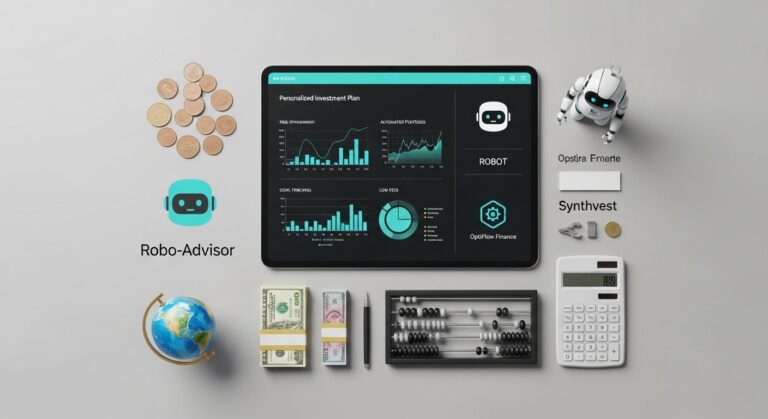
Personalized Financial Planning and Robo-Advisors
Gone are the days when financial planning was solely for the wealthy. Technology has democratized access to sophisticated financial advice. Robo-advisors use algorithms to manage investment portfolios based on an individual’s risk tolerance, financial goals, and timeline, often at a fraction of the cost of traditional human advisors. Hybrid models, combining AI with human oversight, are also gaining traction, offering the best of both worlds. This personalization extends to budgeting, debt management, and retirement planning, with tools that adapt to individual circumstances.
The Rise of AI in Personal Finance
Artificial intelligence (AI) is rapidly transforming various facets of personal finance. Beyond robo-advisors, AI is being used for:
- Fraud Detection: AI algorithms can identify unusual spending patterns in real-time, protecting consumers from fraudulent transactions more effectively than ever before.
- Predictive Analytics: AI can analyze vast amounts of data to predict market movements, optimize investment strategies, and even forecast individual spending habits to help users save more.
- Customer Service: AI-powered chatbots and virtual assistants provide instant support, answer financial queries, and guide users through complex processes, making financial interactions more efficient.
[INLINE IMAGE 1: place after second H2 | alt=”concept illustration of a person interacting with various digital finance tools like mobile banking, investment apps, and budgeting dashboards, symbolizing the integration of technology in money management.”]
Strategic Investing: Navigating Volatility and Opportunities
Investing in 2026 requires a nuanced approach, balancing potential market volatility with promising growth opportunities. A well-diversified portfolio, informed by current market trends, is key to long-term financial success. Understanding the landscape across different asset classes is more critical than ever.
Stock Market Outlook and Sector-Specific Trends
The equity markets remain a cornerstone of wealth building, but their trajectory is influenced by corporate earnings, economic data, interest rate expectations, and global events. Investors should monitor:
- Technology Sector: Continues to be a significant driver, particularly in areas like AI, cloud computing, and cybersecurity. However, valuations remain a key consideration.
- Renewable Energy: Government incentives and increasing global demand for sustainable solutions make this sector a long-term growth area.
- Healthcare and Biotechnology: Demographic shifts and ongoing innovation in medical science provide a stable demand base.
- Consumer Staples: Often seen as defensive plays during uncertain times, providing stability to portfolios.
Prudent investors consider dollar-cost averaging and regular rebalancing to mitigate risk and capture growth over time.
Real Estate Market Dynamics
The real estate market in 2026 is characterized by regional variations and evolving affordability challenges. Factors to consider include:
- Interest Rates: Mortgage rates remain a primary determinant of housing affordability and market activity. Buyers need to assess the impact of higher rates on their purchasing power.
- Inventory Levels: Supply constraints in many desirable areas continue to support property values, while new construction attempts to catch up with demand.
- Rental Market: Strong rental demand persists, making real estate investment trusts (REITs) or direct rental property ownership attractive for passive income, though regulations and property management complexities must be considered.
- Commercial Real Estate: The future of office spaces and retail continues to evolve post-pandemic, with shifts towards mixed-use developments and logistics properties.
Alternative Investments: Expanding Your Horizons
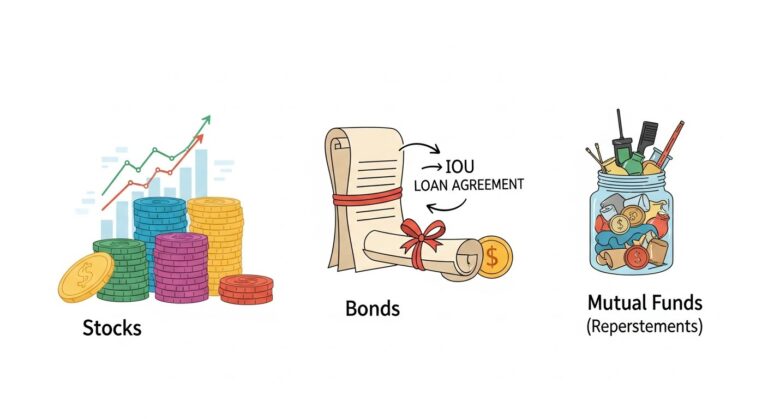
Beyond traditional stocks and bonds, alternative investments offer diversification and potentially higher returns, albeit with higher risk and often less liquidity. In 2026, these include:
- Cryptocurrencies: While volatile, cryptocurrencies continue to mature, with increasing institutional adoption and regulatory frameworks emerging. Investors should approach with caution and thorough research.
- Private Equity and Venture Capital: Access to private markets is becoming more democratic through crowdfunding platforms and specialized funds, allowing individuals to invest in startups and private companies.
- Commodities: Gold, silver, oil, and agricultural products can act as inflation hedges or offer diversification, especially during periods of geopolitical uncertainty.
- Digital Collectibles (NFTs): The market for non-fungible tokens continues to evolve, with applications in art, gaming, and digital identity. This remains a speculative area.
Diversification Strategies for Resilience
Diversification remains the golden rule of investing. Spreading investments across various asset classes, industries, and geographies can help cushion portfolios against downturns in any single area. Beyond traditional stock and bond diversification, consider:
- Global Exposure: Investing in international markets can tap into growth opportunities outside your home country and reduce country-specific risk.
- Asset Class Allocation: A mix of equities, fixed income, real estate, and potentially alternatives tailored to your risk profile.
- Sector Diversification: Don’t put all your eggs in one industry basket, even if it’s a high-growth one.
- Time Diversification: Investing regularly over time (dollar-cost averaging) smooths out market fluctuations.
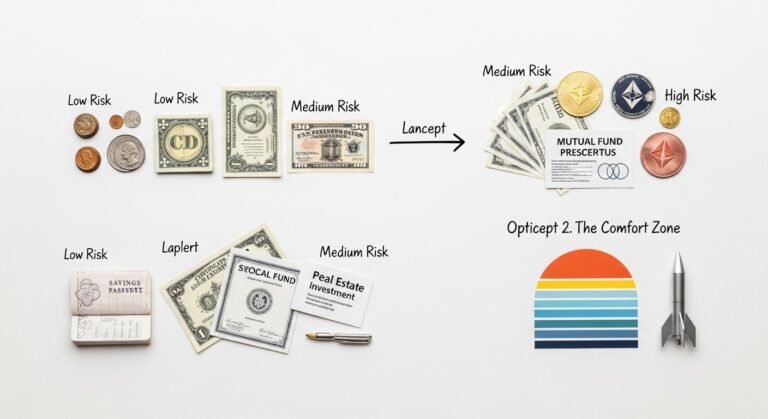
Investment Comparison Table: Exploring Key Asset Classes
To help illustrate the differences and considerations for various investment avenues, here’s a comparison table:
| Asset Class | Potential Return | Typical Risk Level | Liquidity | Key Considerations |
|---|---|---|---|---|
| Stocks (Equities) | High (long-term growth) | Medium to High | High (for public stocks) | Market volatility, company performance, economic outlook |
| Bonds (Fixed Income) | Low to Medium (income-focused) | Low to Medium | Medium to High | Interest rate changes, issuer creditworthiness, inflation |
| Real Estate (Direct) | Medium to High (appreciation & income) | Medium to High | Low | Maintenance costs, location, market cycles, tenant issues |
| Real Estate Investment Trusts (REITs) | Medium (income & appreciation) | Medium | High | Interest rates, real estate market health, management fees |
| Cryptocurrencies | Very High (potential) | Very High | High (for major coins) | Extreme volatility, regulatory changes, technological risks |
| Commodities | Medium (can be volatile) | Medium to High | High | Supply/demand, geopolitical events, economic growth |
Protecting Your Wealth: Risk Management and Security
Accumulating wealth is only half the battle; protecting it from unforeseen circumstances, market downturns, and nefarious actors is equally critical. Effective risk management involves a multi-faceted approach, encompassing digital security, adequate insurance coverage, and strategic estate planning.
Cybersecurity in Personal Finance
As our financial lives become increasingly digital, the threat of cybercrime escalates. Protecting your online financial accounts is paramount. Best practices include:
- Strong, Unique Passwords: Use complex passwords for all financial accounts and avoid reusing them. Consider a reputable password manager.
- Two-Factor Authentication (2FA): Enable 2FA wherever possible. This adds an extra layer of security, typically requiring a code from your phone in addition to your password.
- Beware of Phishing: Be vigilant about suspicious emails, texts, or calls attempting to trick you into revealing personal or financial information. Financial institutions will rarely ask for sensitive data via these channels.
- Secure Networks: Avoid conducting financial transactions on public Wi-Fi networks. Use a Virtual Private Network (VPN) for added security if necessary.
- Regular Monitoring: Routinely check your bank statements and credit reports for any unauthorized activity.
Insurance Essentials: Safeguarding Against Life’s Uncertainties
Insurance acts as a financial safety net, protecting you and your loved ones from significant financial burdens due to illness, accidents, or unforeseen events. The right coverage is a cornerstone of financial planning.
- Health Insurance: Essential for covering medical expenses. Understand your plan’s deductibles, co-pays, and out-of-pocket maximums. Explore options through employers, government marketplaces, or private providers.
- Life Insurance: Provides financial security for your dependents if you were to pass away. Term life insurance offers coverage for a specific period, while whole life insurance offers lifelong coverage with a cash value component.
- Property & Casualty Insurance: Homeowners or renters insurance protects your dwelling and possessions. Auto insurance is legally required in most places and protects against liabilities and damages.
- Disability Insurance: Replaces a portion of your income if you become unable to work due to illness or injury. This can be short-term or long-term.
- Umbrella Insurance: Provides additional liability coverage beyond what your home and auto policies offer, protecting significant assets from lawsuits.
Estate Planning and Wealth Transfer
Estate planning is not just for the wealthy; it’s a vital component of personal finance for everyone. It ensures your assets are distributed according to your wishes and minimizes potential tax implications and family disputes. Key elements include:
- Wills: A legal document dictating how your assets should be distributed and who will care for minor children.
- Trusts: Can offer greater control over how and when assets are distributed, potentially avoiding probate and offering tax advantages.
- Beneficiary Designations: Ensure your retirement accounts (401(k)s, IRAs) and life insurance policies have up-to-date beneficiary designations, as these typically supersede a will.
- Power of Attorney: Designates someone to make financial or medical decisions on your behalf if you become incapacitated.
- Advance Directives (Living Will): Specifies your wishes for medical treatment if you cannot communicate them yourself.
[INLINE IMAGE 2: place after fourth H2 | alt=”comparison illustration of various insurance types, like health, life, auto, and home, depicted as shields protecting a family and their assets, representing comprehensive risk management.”]
Debt Management and Credit Health in a Changing Economy
Debt is a double-edged sword: a powerful tool for major purchases like homes and education, but a significant burden if mismanaged. In 2026, understanding debt trends and proactive credit health strategies are essential for financial stability and progress.
Understanding Consumer Debt Trends
Consumer debt levels are constantly in flux, influenced by interest rates, economic growth, and individual spending habits. We continue to see:
- Credit Card Debt: Often the most expensive form of debt due to high interest rates. Managing credit card balances strategically, especially during periods of economic uncertainty, is crucial.
- Mortgage Debt: The largest form of household debt. Fluctuations in interest rates significantly impact affordability and monthly payments for new and variable-rate mortgages.
- Auto Loans: Vehicle prices and interest rates have made auto loans a significant financial commitment. Careful budgeting is required to avoid overextending.
- Student Loan Debt: Remains a substantial burden for many, impacting their ability to save, invest, and make large purchases. Awareness of repayment options and potential reforms is vital.
Strategies for Debt Reduction
Aggressively tackling high-interest debt frees up cash flow and improves your financial standing. Popular strategies include:
- Debt Snowball Method: Pay off your smallest debt first, then apply that payment to the next smallest, creating momentum.
- Debt Avalanche Method: Prioritize paying off debts with the highest interest rates first, saving you more money over time.
- Balance Transfers: Moving high-interest credit card debt to a new card with a 0% introductory APR can provide a window to pay down debt without accruing interest, but be mindful of transfer fees and the promotional period end date.
- Debt Consolidation Loans: Combining multiple debts into a single loan, often with a lower interest rate, can simplify payments and reduce overall interest paid.
- Negotiating with Creditors: In difficult situations, some creditors may be willing to work with you on modified payment plans or settlements.
Building and Maintaining Excellent Credit
Your credit score is a vital measure of your financial trustworthiness, impacting everything from loan approvals to insurance rates and even job prospects. A strong credit score opens doors to better financial products and lower interest rates. To build and maintain excellent credit:
- Pay Bills On Time: Payment history is the most significant factor in your credit score. Set up autopay to avoid missed payments.
- Keep Credit Utilization Low: Aim to use no more than 30% of your available credit across all accounts.
- Maintain a Mix of Credit Types: A healthy mix of revolving credit (credit cards) and installment credit (mortgages, auto loans) can be beneficial.
- Avoid Opening Too Many New Accounts: Each new credit application can result in a hard inquiry, temporarily dinging your score.
- Regularly Check Your Credit Report: Review your credit report from all three major bureaus annually for errors. You can access free reports through AnnualCreditReport.com.
Student Loans: A Persistent Challenge
Student loan debt continues to be a significant economic factor for millions. While repayment strategies vary, staying informed about policy changes and exploring all available options is crucial. These might include income-driven repayment plans, refinancing (if interest rates are favorable and you qualify), or exploring eligibility for loan forgiveness programs. The financial implications of student loans extend beyond monthly payments, influencing decisions about housing, family planning, and retirement saving.
The Future of Work and Its Financial Implications
The world of work is undergoing a profound transformation, driven by technological advancements, evolving worker preferences, and a dynamic global economy. These shifts have significant financial implications for individuals, impacting income streams, career development, and long-term financial planning.
Gig Economy & Freelance Finance
The gig economy continues to expand, offering flexibility but also requiring new approaches to financial management. For freelancers and gig workers:
- Income Volatility: Managing fluctuating income requires careful budgeting and setting aside funds for lean periods.
- Self-Employment Taxes: Understanding and planning for self-employment taxes (Social Security and Medicare contributions) is critical, as employers typically cover half of these for traditional employees.
- Benefits Gap: Gig workers often lack employer-sponsored health insurance, retirement plans, and paid time off, necessitating independent planning for these essential benefits.
- Retirement Savings: Utilizing self-directed retirement accounts like SEP IRAs or Solo 401(k)s becomes paramount for long-term financial security.
Upskilling and Career Investment
In a rapidly changing job market, continuous learning and skill development are no longer optional but essential. Investing in yourself through education, certifications, and new skill acquisition can lead to higher earning potential and career resilience. Financially, this means:
- Budgeting for Education: Allocating funds for courses, workshops, or even advanced degrees.
- ROI on Education: Evaluating the return on investment for educational pursuits, considering potential salary increases versus costs.
- Tax Deductions: Exploring potential tax deductions for education-related expenses.
The ability to adapt and pivot to new roles or industries is a valuable financial asset in itself.
Retirement Planning for a Longer Lifespan
With increasing life expectancies, retirement planning now requires a longer-term perspective. The traditional retirement age is becoming more flexible, with many envisioning a phased retirement or even a second career. Financial implications include:
- Increased Savings Needs: A longer retirement means a larger nest egg is required to sustain your lifestyle.
- Healthcare Costs: Anticipating significant healthcare expenses in later life is crucial.
- Social Security Planning: Understanding how delaying Social Security benefits can increase your monthly payments, and integrating this into your overall retirement strategy.
- Long-Term Care: Considering long-term care insurance or self-funding options for potential care needs.
The trend towards individual responsibility for retirement savings through 401(k)s, IRAs, and other personal accounts continues to place the onus on individuals to proactively plan and save. For those looking for more guidance, a professional financial advisor can offer tailored retirement planning strategies.
Smart Spending and Budgeting for Long-Term Success
While earning and investing are crucial, how you manage your daily spending and budgeting forms the bedrock of your financial stability. In 2026, smart spending isn’t just about deprivation; it’s about conscious choices that align with your values and long-term goals, amplified by modern tools and psychological insights.
Effective Budgeting Techniques
Budgeting is no longer just about spreadsheets; it’s about creating a sustainable financial framework that works for you. Modern techniques emphasize flexibility and automation:
- The 50/30/20 Rule: Allocate 50% of your after-tax income to needs (housing, groceries, utilities), 30% to wants (dining out, entertainment), and 20% to savings and debt repayment.
- Zero-Based Budgeting: Assign every dollar of your income a job, ensuring no money is left unaccounted for. This requires meticulous tracking but offers maximum control.
- Envelope System (Digital or Physical): Categorize your spending and allocate specific amounts to each category. Once the money for a category is gone, you stop spending in that area until the next budget period. Digital apps mimic this with virtual “envelopes.”
- Automated Budgeting Apps: Leverage fintech apps that link to your bank accounts, categorize transactions, and provide real-time spending insights, making budgeting effortless.
Mindful Consumption and Value-Driven Spending
Moving beyond impulse purchases, mindful consumption encourages intentional spending that aligns with your values. This involves:
- Identifying Your Values: What truly matters to you? Experiences over possessions? Sustainability? Community support? Let these guide your spending.
- Delaying Gratification: Implementing a “wait period” (e.g., 24-48 hours) before making non-essential purchases to avoid impulse buys.
- Seeking Value, Not Just Price: Sometimes, paying a bit more for quality, durability, or ethical production offers better long-term value than the cheapest option.
- Subscription Audit: Regularly review and cancel unused subscriptions. The cumulative cost of forgotten subscriptions can be substantial.
Saving for Major Life Events (Home, Education, Retirement)
Specific, tangible goals require dedicated savings strategies. Compartmentalizing your savings for distinct objectives helps maintain focus and motivation:
- Dedicated Savings Accounts: Open separate savings accounts for different goals (e.g., “Down Payment Fund,” “Vacation Fund,” “Education Savings”). This makes tracking progress easier.
- Automate Savings: Set up automatic transfers from your checking account to your savings accounts each payday. “Set it and forget it” is a powerful tool.
- Tax-Advantaged Accounts: Utilize accounts like 529 plans for education, HSAs for healthcare savings (which can also double as a retirement account), and 401(k)s/IRAs for retirement.
- Goal-Based Saving Tools: Many banking apps and fintech platforms offer features that help you visualize your savings goals and track your progress towards them.
The Psychology of Money
Financial decisions are rarely purely rational. Understanding the psychological biases that influence our money habits can lead to better outcomes:
- Anchoring Bias: Relying too heavily on the first piece of information encountered (e.g., an original price) when making decisions.
- Loss Aversion: The tendency to prefer avoiding losses over acquiring equivalent gains, which can lead to suboptimal investment decisions.
- Confirmation Bias: Seeking out information that confirms existing beliefs and ignoring contradictory evidence.
- Herd Mentality: The tendency to follow the actions or beliefs of a larger group, often seen in market bubbles or crashes.
By recognizing these biases, individuals can develop strategies to counteract them and make more objective financial choices. For example, setting clear investment rules beforehand can help avoid emotional selling during market downturns. Learning about these biases can dramatically improve your financial literacy.
Government Policies and Their Impact on Your Wallet
Government decisions at federal, state, and local levels profoundly influence your personal finances. From tax changes to social safety net adjustments, staying abreast of these policies is crucial for proactive financial planning in 2026.
Tax Reforms and Implications
Taxation is a constantly evolving landscape. Potential reforms in 2026 could affect:
- Income Tax Brackets: Changes to marginal tax rates or income thresholds can alter your take-home pay and overall tax burden.
- Deductions and Credits: Modifications to standard deductions, itemized deductions (e.g., mortgage interest, state and local taxes), or tax credits (e.g., child tax credit, education credits) directly impact your taxable income.
- Capital Gains Tax: Changes to the tax rates on investment profits can influence investment strategies, particularly for long-term investors.
- Estate and Gift Taxes: Potential alterations to exemption limits or tax rates can have significant implications for wealth transfer and estate planning.
It’s important to consult with a tax professional to understand how any legislative changes specifically affect your financial situation and to optimize your tax planning strategies.
Social Security & Medicare Updates
These vital social programs are frequently subject to discussions about their long-term solvency and benefit structures. In 2026, potential updates could include:
- Cost-of-Living Adjustments (COLAs): Annual adjustments to Social Security benefits to keep pace with inflation.
- Eligibility Requirements: Discussions around potential changes to the full retirement age or earnings limits for beneficiaries.
- Medicare Premiums and Coverage: Changes to Medicare Part A, B, and D premiums, deductibles, or covered services, impacting healthcare costs for seniors.
- Funding Debates: Ongoing political debates about the long-term funding mechanisms for both programs could lead to future legislative action impacting contributions or benefits.
These updates are critical for current retirees and those planning for retirement, requiring careful consideration in financial projections.
Regulatory Changes Affecting Consumers
Beyond taxes and social programs, various regulatory bodies introduce rules that impact consumer finance, from banking to investing and consumer protection:
- Banking Regulations: Changes in rules regarding overdraft fees, interest rates on savings accounts, or consumer data privacy can affect your day-to-day banking experience.
- Investment Regulations: New rules from bodies like the Securities and Exchange Commission (SEC) might impact how investment products are offered, advertised, or managed, enhancing investor protection or introducing new compliance burdens.
- Consumer Protection Laws: Evolving regulations designed to protect consumers from predatory lending, unfair business practices, or data breaches are continually being updated. Awareness of your rights as a consumer is paramount.
- Housing and Mortgage Regulations: Policies related to mortgage lending standards, fair housing, or renter protections can significantly affect the real estate market and individual housing choices.
Staying informed through reliable sources like diaalnews helps you adapt your financial strategies to these regulatory shifts and protect your interests.
Empowering Yourself: Resources and Tools for Financial Literacy
In an increasingly complex financial world, financial literacy is your most powerful asset. The good news is that abundant resources and tools are available to help you gain knowledge, make informed decisions, and confidently manage your money. Empowering yourself means actively seeking out and utilizing these valuable aids.
Online Financial Education Platforms
The internet has democratized financial education, making high-quality learning accessible to everyone. Numerous platforms offer courses, articles, videos, and interactive tools:
- Reputable Financial Websites: Beyond diaalnews, sites from established financial institutions, academic institutions, and non-profits offer free articles, guides, and calculators covering everything from basic budgeting to advanced investment strategies.
- Online Courses and MOOCs: Platforms like Coursera, edX, and Khan Academy offer courses on personal finance, investing, and economics, often taught by university professors. Some are free, while others offer certifications for a fee.
- Educational Webinars and Podcasts: Many financial experts and organizations host webinars and podcasts, providing timely insights and interviews on various money topics. These are excellent for learning on the go.
- Government Resources: Agencies like the Consumer Financial Protection Bureau (CFPB) in the U.S. provide unbiased information and tools to help consumers manage their finances, choose financial products, and resolve issues.
Financial Advisors: When and Why to Use Them
While self-education is valuable, sometimes professional guidance is indispensable. A financial advisor can provide personalized strategies and expertise, especially for complex financial situations.
- When to Consider an Advisor:
- Major life events (marriage, children, retirement, inheritance).
- Complex investment portfolios or significant assets.
- Starting a business or managing self-employment income.
- Seeking expert guidance on estate planning or tax optimization.
- Feeling overwhelmed or unsure about your financial future.
- Types of Advisors:
- Fee-Only Advisors: Charge a flat fee, hourly rate, or percentage of assets under management. They do not earn commissions on product sales, often ensuring unbiased advice.
- Fee-Based Advisors: Charge fees but may also earn commissions on certain products.
- Robo-Advisors: Cost-effective, algorithm-driven platforms for automated investment management.
- Finding a Reputable Advisor: Look for certifications (e.g., Certified Financial Planner™ – CFP®), check their disciplinary history, and ensure they are a fiduciary (legally obligated to act in your best interest). Seek referrals and interview multiple candidates.
Community Financial Programs and Workshops
Many local communities, credit unions, and non-profit organizations offer free or low-cost financial literacy programs and workshops. These can be particularly beneficial for hands-on learning and addressing specific local financial challenges. Topics often include:
- Budgeting and Debt Management
- First-Time Homebuyer Seminars
- Small Business Financial Planning
- Retirement Planning Basics
These programs provide a direct, interactive learning environment and the opportunity to network with others on similar financial journeys. Leveraging these diverse resources ensures that you remain empowered to make the best decisions for your financial health in 2026 and for many years to come.
Frequently Asked Questions
Q1: What are the biggest personal finance challenges expected in 2026?
A1: In 2026, key challenges include navigating persistent inflationary pressures, managing potentially higher interest rates impacting borrowing costs, adapting to job market shifts in the evolving economy, and combating cyber threats to digital financial accounts. Student loan debt and retirement savings adequacy also remain significant concerns for many individuals.
Q2: How can I protect my investments during periods of economic uncertainty?
A2: Protecting investments involves several strategies: diversification across various asset classes (stocks, bonds, real estate, alternatives) and geographies; maintaining an emergency fund in easily accessible savings; regularly rebalancing your portfolio to align with your risk tolerance; considering defensive sectors or assets that perform well in downturns; and avoiding emotional decisions based on short-term market fluctuations. Consulting a financial advisor for personalized advice is also recommended.
Q3: What role does technology play in personal finance trends for 2026?
A3: Technology is a central driver of personal finance trends in 2026. Fintech innovations like digital banking and mobile payment apps offer convenience and lower fees. Robo-advisors and AI-powered tools provide personalized financial planning and investment management. AI is also enhancing fraud detection and customer service. These technologies are making financial management more accessible, efficient, and tailored to individual needs.
Q4: Is sustainable investing (ESG) still a relevant trend, and how can I get involved?
A4: Yes, sustainable and ethical investing (ESG) is more relevant than ever. Growing environmental and social awareness, coupled with evidence of strong long-term performance for ESG-focused companies, makes it a significant trend. You can get involved by investing in ESG-themed exchange-traded funds (ETFs) or mutual funds, using robo-advisors with ESG options, or researching individual companies with strong ESG ratings before investing. Many brokerage platforms now offer tools to help you identify and invest in socially responsible companies.
Q5: What are the most effective strategies for debt reduction in the current economic climate?
A5: Effective debt reduction strategies include the debt snowball method (paying off smallest debts first) or the debt avalanche method (paying off highest interest rate debts first). Consider balance transfers to 0% APR credit cards for a limited period, or a debt consolidation loan for potentially lower interest rates and simplified payments. Crucially, prioritize timely payments, avoid new debt, and create a realistic budget that allocates funds specifically for accelerated debt repayment. Monitoring your credit score can also motivate your progress.
Navigating the Shifting Tides: Your Essential Guide to Personal Finance News & Money Trends in 2026
Affiliate disclosure: This article may contain affiliate links. Recommendations are independent and editorially driven.
The year 2026 presents a dynamic landscape for personal finance, marked by both exciting opportunities and persistent challenges. From evolving economic policies to groundbreaking technological advancements, staying informed about the latest personal finance news and money trends is not just an advantage—it’s a necessity. At diaalnews, we understand that your financial well-being is paramount, and our mission is to empower you with clear, actionable insights into the forces shaping your wallet and your future.
In this comprehensive guide, we delve into the critical aspects of personal finance in the current economic climate. We’ll explore the macroeconomic factors influencing daily spending and long-term investments, dissect the cutting-edge money management trends that are reshaping how we save, spend, and invest, and provide practical strategies for building resilience and growth. Whether you’re a seasoned investor, a first-time saver, or simply looking to make smarter financial decisions, understanding these trends is your first step towards greater financial control and prosperity. Join us as we unpack the complexities and provide a roadmap for navigating your financial journey in 2026 and beyond.
Understanding the Economic Landscape in 2026: A Macro Perspective
The global economy continues its intricate dance of recovery, innovation, and adaptation in 2026. A confluence of factors—from geopolitical shifts to technological breakthroughs—are creating a unique economic environment that directly impacts individual financial health. Understanding these overarching themes is crucial for making informed personal finance decisions.
Inflationary Pressures and Interest Rate Dynamics
One of the most talked-about economic phenomena continues to be inflation. While some regions may see moderation, others could still grapple with elevated prices, particularly in sectors like energy, food, and housing. Central banks worldwide are balancing the act of taming inflation without stifling economic growth, leading to a complex interest rate environment. For consumers, this means:
- Borrowing Costs: Higher interest rates directly translate to more expensive loans for mortgages, auto financing, and credit cards. Understanding the current rate climate is essential before taking on new debt or refinancing existing obligations.
- Savings Returns: Conversely, rising interest rates can offer more attractive returns on savings accounts, certificates of deposit (CDs), and money market funds. Savers need to actively seek out the best rates to maximize their passive income.
- Purchasing Power: Persistent inflation erodes purchasing power, making it imperative to budget wisely and seek avenues for income growth or investment returns that outpace inflation.
Global Economic Shifts and Their Local Impact
Interconnectedness defines the modern economy. Economic performance in one major global player can send ripples across the world, affecting supply chains, commodity prices, and investment flows. Factors like trade agreements, geopolitical stability, and the pace of recovery in key industrial nations all play a role. For individuals, this translates to:
- Market Volatility: Global events can introduce volatility into stock markets, currency exchange rates, and commodity prices, influencing investment portfolios.
- Job Market Dynamics: International economic health can impact domestic job markets, particularly in export-oriented industries or sectors reliant on global supply chains.
- Consumer Goods Prices: Fluctuations in international trade and production costs can affect the prices of imported goods, from electronics to clothing.
The Role of Government Policies and Fiscal Stimulus
Governments continue to play a significant role in shaping economic conditions through fiscal policy. Debates around taxation, infrastructure spending, and social programs have direct implications for household incomes and expenses. Understanding potential changes in tax laws, subsidies, or social security provisions can help individuals plan their budgets and investments more effectively. Stimulus measures, while potentially boosting economic activity, also have long-term implications for national debt and future tax burdens.
Key Money Management Trends for the Modern Investor
As the economic landscape evolves, so too do the strategies and tools available for managing personal finances. The year 2026 highlights several transformative trends that are reshaping how individuals interact with their money, emphasizing convenience, efficiency, and greater control.
Digital Banking and Fintech Innovations
The revolution in financial technology (fintech) shows no signs of slowing down. Digital-only banks, payment apps, and AI-powered financial tools are becoming mainstream, offering unparalleled convenience and often lower fees. This trend encompasses:
- Neobanks and Challenger Banks: These institutions operate entirely online, offering features like instant transfers, budgeting tools, and high-yield savings accounts without the overhead of traditional brick-and-mortar branches.
- Personal Finance Apps: Applications that automate saving, track spending, manage investments, and even provide personalized financial advice are becoming indispensable. They leverage data analytics to offer tailored insights and recommendations.
- Embedded Finance: Financial services are increasingly integrated into non-financial platforms, allowing users to make payments, apply for loans, or manage subscriptions directly within the apps they use daily.
Sustainable and Ethical Investing (ESG)
Environmental, Social, and Governance (ESG) investing has moved from a niche interest to a significant trend. Investors are increasingly aligning their portfolios with their values, seeking companies that demonstrate strong sustainability practices, positive social impact, and robust corporate governance. This trend is driven by:
- Growing Awareness: A heightened global awareness of climate change, social inequality, and corporate responsibility.
- Performance Potential: Evidence suggesting that companies with strong ESG profiles can be more resilient and perform well over the long term.
- Accessibility: The proliferation of ESG-focused exchange-traded funds (ETFs), mutual funds, and robo-advisors makes it easier for everyday investors to participate.
Personalized Financial Planning and Robo-Advisors
Gone are the days when financial planning was solely for the wealthy. Technology has democratized access to sophisticated financial advice. Robo-advisors use algorithms to manage investment portfolios based on an individual’s risk tolerance, financial goals, and timeline, often at a fraction of the cost of traditional human advisors. Hybrid models, combining AI with human oversight, are also gaining traction, offering the best of both worlds. This personalization extends to budgeting, debt management, and retirement planning, with tools that adapt to individual circumstances.
The Rise of AI in Personal Finance
Artificial intelligence (AI) is rapidly transforming various facets of personal finance. Beyond robo-advisors, AI is being used for:
- Fraud Detection: AI algorithms can identify unusual spending patterns in real-time, protecting consumers from fraudulent transactions more effectively than ever before.
- Predictive Analytics: AI can analyze vast amounts of data to predict market movements, optimize investment strategies, and even forecast individual spending habits to help users save more.
- Customer Service: AI-powered chatbots and virtual assistants provide instant support, answer financial queries, and guide users through complex processes, making financial interactions more efficient.
[INLINE IMAGE 1: place after second H2 | alt=”concept illustration of a person interacting with various digital finance tools like mobile banking, investment apps, and budgeting dashboards, symbolizing the integration of technology in money management.”]
Strategic Investing: Navigating Volatility and Opportunities
Investing in 2026 requires a nuanced approach, balancing potential market volatility with promising growth opportunities. A well-diversified portfolio, informed by current market trends, is key to long-term financial success. Understanding the landscape across different asset classes is more critical than ever.
Stock Market Outlook and Sector-Specific Trends
The equity markets remain a cornerstone of wealth building, but their trajectory is influenced by corporate earnings, economic data, interest rate expectations, and global events. Investors should monitor:
- Technology Sector: Continues to be a significant driver, particularly in areas like AI, cloud computing, and cybersecurity. However, valuations remain a key consideration.
- Renewable Energy: Government incentives and increasing global demand for sustainable solutions make this sector a long-term growth area.
- Healthcare and Biotechnology: Demographic shifts and ongoing innovation in medical science provide a stable demand base.
- Consumer Staples: Often seen as defensive plays during uncertain times, providing stability to portfolios.
Prudent investors consider dollar-cost averaging and regular rebalancing to mitigate risk and capture growth over time.
Real Estate Market Dynamics
The real estate market in 2026 is characterized by regional variations and evolving affordability challenges. Factors to consider include:
- Interest Rates: Mortgage rates remain a primary determinant of housing affordability and market activity. Buyers need to assess the impact of higher rates on their purchasing power.
- Inventory Levels: Supply constraints in many desirable areas continue to support property values, while new construction attempts to catch up with demand.
- Rental Market: Strong rental demand persists, making real estate investment trusts (REITs) or direct rental property ownership attractive for passive income, though regulations and property management complexities must be considered.
- Commercial Real Estate: The future of office spaces and retail continues to evolve post-pandemic, with shifts towards mixed-use developments and logistics properties.
Alternative Investments: Expanding Your Horizons
Beyond traditional stocks and bonds, alternative investments offer diversification and potentially higher returns, albeit with higher risk and often less liquidity. In 2026, these include:
- Cryptocurrencies: While volatile, cryptocurrencies continue to mature, with increasing institutional adoption and regulatory frameworks emerging. Investors should approach with caution and thorough research.
- Private Equity and Venture Capital: Access to private markets is becoming more democratic through crowdfunding platforms and specialized funds, allowing individuals to invest in startups and private companies.
- Commodities: Gold, silver, oil, and agricultural products can act as inflation hedges or offer diversification, especially during periods of geopolitical uncertainty.
- Digital Collectibles (NFTs): The market for non-fungible tokens continues to evolve, with applications in art, gaming, and digital identity. This remains a speculative area.
Diversification Strategies for Resilience
Diversification remains the golden rule of investing. Spreading investments across various asset classes, industries, and geographies can help cushion portfolios against downturns in any single area. Beyond traditional stock and bond diversification, consider:
- Global Exposure: Investing in international markets can tap into growth opportunities outside your home country and reduce country-specific risk.
- Asset Class Allocation: A mix of equities, fixed income, real estate, and potentially alternatives tailored to your risk profile.
- Sector Diversification: Don’t put all your eggs in one industry basket, even if it’s a high-growth one.
- Time Diversification: Investing regularly over time (dollar-cost averaging) smooths out market fluctuations.
Investment Comparison Table: Exploring Key Asset Classes
To help illustrate the differences and considerations for various investment avenues, here’s a comparison table:
| Asset Class | Potential Return | Typical Risk Level | Liquidity | Key Considerations |
|---|---|---|---|---|
| Stocks (Equities) | High (long-term growth) | Medium to High | High (for public stocks) | Market volatility, company performance, economic outlook |
| Bonds (Fixed Income) | Low to Medium (income-focused) | Low to Medium | Medium to High | Interest rate changes, issuer creditworthiness, inflation |
| Real Estate (Direct) | Medium to High (appreciation & income) | Medium to High | Low | Maintenance costs, location, market cycles, tenant issues |
| Real Estate Investment Trusts (REITs) | Medium (income & appreciation) | Medium | High | Interest rates, real estate market health, management fees |
| Cryptocurrencies | Very High (potential) | Very High | High (for major coins) | Extreme volatility, regulatory changes, technological risks |
| Commodities | Medium (can be volatile) | Medium to High | High | Supply/demand, geopolitical events, economic growth |
Protecting Your Wealth: Risk Management and Security
Accumulating wealth is only half the battle; protecting it from unforeseen circumstances, market downturns, and nefarious actors is equally critical. Effective risk management involves a multi-faceted approach, encompassing digital security, adequate insurance coverage, and strategic estate planning.
Cybersecurity in Personal Finance
As our financial lives become increasingly digital, the threat of cybercrime escalates. Protecting your online financial accounts is paramount. Best practices include:
- Strong, Unique Passwords: Use complex passwords for all financial accounts and avoid reusing them. Consider a reputable password manager.
- Two-Factor Authentication (2FA): Enable 2FA wherever possible. This adds an extra layer of security, typically requiring a code from your phone in addition to your password.
- Beware of Phishing: Be vigilant about suspicious emails, texts, or calls attempting to trick you into revealing personal or financial information. Financial institutions will rarely ask for sensitive data via these channels.
- Secure Networks: Avoid conducting financial transactions on public Wi-Fi networks. Use a Virtual Private Network (VPN) for added security if necessary.
- Regular Monitoring: Routinely check your bank statements and credit reports for any unauthorized activity.
Insurance Essentials: Safeguarding Against Life’s Uncertainties
Insurance acts as a financial safety net, protecting you and your loved ones from significant financial burdens due to illness, accidents, or unforeseen events. The right coverage is a cornerstone of financial planning.
- Health Insurance: Essential for covering medical expenses. Understand your plan’s deductibles, co-pays, and out-of-pocket maximums. Explore options through employers, government marketplaces, or private providers.
- Life Insurance: Provides financial security for your dependents if you were to pass away. Term life insurance offers coverage for a specific period, while whole life insurance offers lifelong coverage with a cash value component.
- Property & Casualty Insurance: Homeowners or renters insurance protects your dwelling and possessions. Auto insurance is legally required in most places and protects against liabilities and damages.
- Disability Insurance: Replaces a portion of your income if you become unable to work due to illness or injury. This can be short-term or long-term.
- Umbrella Insurance: Provides additional liability coverage beyond what your home and auto policies offer, protecting significant assets from lawsuits.
Estate Planning and Wealth Transfer
Estate planning is not just for the wealthy; it’s a vital component of personal finance for everyone. It ensures your assets are distributed according to your wishes and minimizes potential tax implications and family disputes. Key elements include:
- Wills: A legal document dictating how your assets should be distributed and who will care for minor children.
- Trusts: Can offer greater control over how and when assets are distributed, potentially avoiding probate and offering tax advantages.
- Beneficiary Designations: Ensure your retirement accounts (401(k)s, IRAs) and life insurance policies have up-to-date beneficiary designations, as these typically supersede a will.
- Power of Attorney: Designates someone to make financial or medical decisions on your behalf if you become incapacitated.
- Advance Directives (Living Will): Specifies your wishes for medical treatment if you cannot communicate them yourself.
[INLINE IMAGE 2: place after fourth H2 | alt=”comparison illustration of various insurance types, like health, life, auto, and home, depicted as shields protecting a family and their assets, representing comprehensive risk management.”]
Debt Management and Credit Health in a Changing Economy
Debt is a double-edged sword: a powerful tool for major purchases like homes and education, but a significant burden if mismanaged. In 2026, understanding debt trends and proactive credit health strategies are essential for financial stability and progress.
Understanding Consumer Debt Trends
Consumer debt levels are constantly in flux, influenced by interest rates, economic growth, and individual spending habits. We continue to see:
- Credit Card Debt: Often the most expensive form of debt due to high interest rates. Managing credit card balances strategically, especially during periods of economic uncertainty, is crucial.
- Mortgage Debt: The largest form of household debt. Fluctuations in interest rates significantly impact affordability and monthly payments for new and variable-rate mortgages.
- Auto Loans: Vehicle prices and interest rates have made auto loans a significant financial commitment. Careful budgeting is required to avoid overextending.
- Student Loan Debt: Remains a substantial burden for many, impacting their ability to save, invest, and make large purchases. Awareness of repayment options and potential reforms is vital.
Strategies for Debt Reduction
Aggressively tackling high-interest debt frees up cash flow and improves your financial standing. Popular strategies include:
- Debt Snowball Method: Pay off your smallest debt first, then apply that payment to the next smallest, creating momentum.
- Debt Avalanche Method: Prioritize paying off debts with the highest interest rates first, saving you more money over time.
- Balance Transfers: Moving high-interest credit card debt to a new card with a 0% introductory APR can provide a window to pay down debt without accruing interest, but be mindful of transfer fees and the promotional period end date.
- Debt Consolidation Loans: Combining multiple debts into a single loan, often with a lower interest rate, can simplify payments and reduce overall interest paid.
- Negotiating with Creditors: In difficult situations, some creditors may be willing to work with you on modified payment plans or settlements.
Building and Maintaining Excellent Credit
Your credit score is a vital measure of your financial trustworthiness, impacting everything from loan approvals to insurance rates and even job prospects. A strong credit score opens doors to better financial products and lower interest rates. To build and maintain excellent credit:
- Pay Bills On Time: Payment history is the most significant factor in your credit score. Set up autopay to avoid missed payments.
- Keep Credit Utilization Low: Aim to use no more than 30% of your available credit across all accounts.
- Maintain a Mix of Credit Types: A healthy mix of revolving credit (credit cards) and installment credit (mortgages, auto loans) can be beneficial.
- Avoid Opening Too Many New Accounts: Each new credit application can result in a hard inquiry, temporarily dinging your score.
- Regularly Check Your Credit Report: Review your credit report from all three major bureaus annually for errors. You can access free reports through AnnualCreditReport.com.
Student Loans: A Persistent Challenge
Student loan debt continues to be a significant economic factor for millions. While repayment strategies vary, staying informed about policy changes and exploring all available options is crucial. These might include income-driven repayment plans, refinancing (if interest rates are favorable and you qualify), or exploring eligibility for loan forgiveness programs. The financial implications of student loans extend beyond monthly payments, influencing decisions about housing, family planning, and retirement saving.
The Future of Work and Its Financial Implications
The world of work is undergoing a profound transformation, driven by technological advancements, evolving worker preferences, and a dynamic global economy. These shifts have significant financial implications for individuals, impacting income streams, career development, and long-term financial planning.
Gig Economy & Freelance Finance
The gig economy continues to expand, offering flexibility but also requiring new approaches to financial management. For freelancers and gig workers:
- Income Volatility: Managing fluctuating income requires careful budgeting and setting aside funds for lean periods.
- Self-Employment Taxes: Understanding and planning for self-employment taxes (Social Security and Medicare contributions) is critical, as employers typically cover half of these for traditional employees.
- Benefits Gap: Gig workers often lack employer-sponsored health insurance, retirement plans, and paid time off, necessitating independent planning for these essential benefits.
- Retirement Savings: Utilizing self-directed retirement accounts like SEP IRAs or Solo 401(k)s becomes paramount for long-term financial security.
Upskilling and Career Investment
In a rapidly changing job market, continuous learning and skill development are no longer optional but essential. Investing in yourself through education, certifications, and new skill acquisition can lead to higher earning potential and career resilience. Financially, this means:
- Budgeting for Education: Allocating funds for courses, workshops, or even advanced degrees.
- ROI on Education: Evaluating the return on investment for educational pursuits, considering potential salary increases versus costs.
- Tax Deductions: Exploring potential tax deductions for education-related expenses.
The ability to adapt and pivot to new roles or industries is a valuable financial asset in itself.
Retirement Planning for a Longer Lifespan
With increasing life expectancies, retirement planning now requires a longer-term perspective. The traditional retirement age is becoming more flexible, with many envisioning a phased retirement or even a second career. Financial implications include:
- Increased Savings Needs: A longer retirement means a larger nest egg is required to sustain your lifestyle.
- Healthcare Costs: Anticipating significant healthcare expenses in later life is crucial.
- Social Security Planning: Understanding how delaying Social Security benefits can increase your monthly payments, and integrating this into your overall retirement strategy.
- Long-Term Care: Considering long-term care insurance or self-funding options for potential care needs.
The trend towards individual responsibility for retirement savings through 401(k)s, IRAs, and other personal accounts continues to place the onus on individuals to proactively plan and save. For those looking for more guidance, a professional financial advisor can offer tailored retirement planning strategies.
Smart Spending and Budgeting for Long-Term Success
While earning and investing are crucial, how you manage your daily spending and budgeting forms the bedrock of your financial stability. In 2026, smart spending isn’t just about deprivation; it’s about conscious choices that align with your values and long-term goals, amplified by modern tools and psychological insights.
Effective Budgeting Techniques
Budgeting is no longer just about spreadsheets; it’s about creating a sustainable financial framework that works for you. Modern techniques emphasize flexibility and automation:
- The 50/30/20 Rule: Allocate 50% of your after-tax income to needs (housing, groceries, utilities), 30% to wants (dining out, entertainment), and 20% to savings and debt repayment.
- Zero-Based Budgeting: Assign every dollar of your income a job, ensuring no money is left unaccounted for. This requires meticulous tracking but offers maximum control.
- Envelope System (Digital or Physical): Categorize your spending and allocate specific amounts to each category. Once the money for a category is gone, you stop spending in that area until the next budget period. Digital apps mimic this with virtual “envelopes.”
- Automated Budgeting Apps: Leverage fintech apps that link to your bank accounts, categorize transactions, and provide real-time spending insights, making budgeting effortless.
Mindful Consumption and Value-Driven Spending
Moving beyond impulse purchases, mindful consumption encourages intentional spending that aligns with your values. This involves:
- Identifying Your Values: What truly matters to you? Experiences over possessions? Sustainability? Community support? Let these guide your spending.
- Delaying Gratification: Implementing a “wait period” (e.g., 24-48 hours) before making non-essential purchases to avoid impulse buys.
- Seeking Value, Not Just Price: Sometimes, paying a bit more for quality, durability, or ethical production offers better long-term value than the cheapest option.
- Subscription Audit: Regularly review and cancel unused subscriptions. The cumulative cost of forgotten subscriptions can be substantial.
Saving for Major Life Events (Home, Education, Retirement)
Specific, tangible goals require dedicated savings strategies. Compartmentalizing your savings for distinct objectives helps maintain focus and motivation:
- Dedicated Savings Accounts: Open separate savings accounts for different goals (e.g., “Down Payment Fund,” “Vacation Fund,” “Education Savings”). This makes tracking progress easier.
- Automate Savings: Set up automatic transfers from your checking account to your savings accounts each payday. “Set it and forget it” is a powerful tool.
- Tax-Advantaged Accounts: Utilize accounts like 529 plans for education, HSAs for healthcare savings (which can also double as a retirement account), and 401(k)s/IRAs for retirement.
- Goal-Based Saving Tools: Many banking apps and fintech platforms offer features that help you visualize your savings goals and track your progress towards them.
The Psychology of Money
Financial decisions are rarely purely rational. Understanding the psychological biases that influence our money habits can lead to better outcomes:
- Anchoring Bias: Relying too heavily on the first piece of information encountered (e.g., an original price) when making decisions.
- Loss Aversion: The tendency to prefer avoiding losses over acquiring equivalent gains, which can lead to suboptimal investment decisions.
- Confirmation Bias: Seeking out information that confirms existing beliefs and ignoring contradictory evidence.
- Herd Mentality: The tendency to follow the actions or beliefs of a larger group, often seen in market bubbles or crashes.
By recognizing these biases, individuals can develop strategies to counteract them and make more objective financial choices. For example, setting clear investment rules beforehand can help avoid emotional selling during market downturns. Learning about these biases can dramatically improve your financial literacy.
Government Policies and Their Impact on Your Wallet
Government decisions at federal, state, and local levels profoundly influence your personal finances. From tax changes to social safety net adjustments, staying abreast of these policies is crucial for proactive financial planning in 2026.
Tax Reforms and Implications
Taxation is a constantly evolving landscape. Potential reforms in 2026 could affect:
- Income Tax Brackets: Changes to marginal tax rates or income thresholds can alter your take-home pay and overall tax burden.
- Deductions and Credits: Modifications to standard deductions, itemized deductions (e.g., mortgage interest, state and local taxes), or tax credits (e.g., child tax credit, education credits) directly impact your taxable income.
- Capital Gains Tax: Changes to the tax rates on investment profits can influence investment strategies, particularly for long-term investors.
- Estate and Gift Taxes: Potential alterations to exemption limits or tax rates can have significant implications for wealth transfer and estate planning.
It’s important to consult with a tax professional to understand how any legislative changes specifically affect your financial situation and to optimize your tax planning strategies.
Social Security & Medicare Updates
These vital social programs are frequently subject to discussions about their long-term solvency and benefit structures. In 2026, potential updates could include:
- Cost-of-Living Adjustments (COLAs): Annual adjustments to Social Security benefits to keep pace with inflation.
- Eligibility Requirements: Discussions around potential changes to the full retirement age or earnings limits for beneficiaries.
- Medicare Premiums and Coverage: Changes to Medicare Part A, B, and D premiums, deductibles, or covered services, impacting healthcare costs for seniors.
- Funding Debates: Ongoing political debates about the long-term funding mechanisms for both programs could lead to future legislative action impacting contributions or benefits.
These updates are critical for current retirees and those planning for retirement, requiring careful consideration in financial projections.
Regulatory Changes Affecting Consumers
Beyond taxes and social programs, various regulatory bodies introduce rules that impact consumer finance, from banking to investing and consumer protection:
- Banking Regulations: Changes in rules regarding overdraft fees, interest rates on savings accounts, or consumer data privacy can affect your day-to-day banking experience.
- Investment Regulations: New rules from bodies like the Securities and Exchange Commission (SEC) might impact how investment products are offered, advertised, or managed, enhancing investor protection or introducing new compliance burdens.
- Consumer Protection Laws: Evolving regulations designed to protect consumers from predatory lending, unfair business practices, or data breaches are continually being updated. Awareness of your rights as a consumer is paramount.
- Housing and Mortgage Regulations: Policies related to mortgage lending standards, fair housing, or renter protections can significantly affect the real estate market and individual housing choices.
Staying informed through reliable sources like diaalnews helps you adapt your financial strategies to these regulatory shifts and protect your interests.
Empowering Yourself: Resources and Tools for Financial Literacy
In an increasingly complex financial world, financial literacy is your most powerful asset. The good news is that abundant resources and tools are available to help you gain knowledge, make informed decisions, and confidently manage your money. Empowering yourself means actively seeking out and utilizing these valuable aids.
Online Financial Education Platforms
The internet has democratized financial education, making high-quality learning accessible to everyone. Numerous platforms offer courses, articles, videos, and interactive tools:
- Reputable Financial Websites: Beyond diaalnews, sites from established financial institutions, academic institutions, and non-profits offer free articles, guides, and calculators covering everything from basic budgeting to advanced investment strategies.
- Online Courses and MOOCs: Platforms like Coursera, edX, and Khan Academy offer courses on personal finance, investing, and economics, often taught by university professors. Some are free, while others offer certifications for a fee.
- Educational Webinars and Podcasts: Many financial experts and organizations host webinars and podcasts, providing timely insights and interviews on various money topics. These are excellent for learning on the go.
- Government Resources: Agencies like the Consumer Financial Protection Bureau (CFPB) in the U.S. provide unbiased information and tools to help consumers manage their finances, choose financial products, and resolve issues.
Financial Advisors: When and Why to Use Them
While self-education is valuable, sometimes professional guidance is indispensable. A financial advisor can provide personalized strategies and expertise, especially for complex financial situations.
- When to Consider an Advisor:
- Major life events (marriage, children, retirement, inheritance).
- Complex investment portfolios or significant assets.
- Starting a business or managing self-employment income.
- Seeking expert guidance on estate planning or tax optimization.
- Feeling overwhelmed or unsure about your financial future.
- Types of Advisors:
- Fee-Only Advisors: Charge a flat fee, hourly rate, or percentage of assets under management. They do not earn commissions on product sales, often ensuring unbiased advice.
- Fee-Based Advisors: Charge fees but may also earn commissions on certain products.
- Robo-Advisors: Cost-effective, algorithm-driven platforms for automated investment management.
- Finding a Reputable Advisor: Look for certifications (e.g., Certified Financial Planner™ – CFP®), check their disciplinary history, and ensure they are a fiduciary (legally obligated to act in your best interest). Seek referrals and interview multiple candidates.
Community Financial Programs and Workshops
Many local communities, credit unions, and non-profit organizations offer free or low-cost financial literacy programs and workshops. These can be particularly beneficial for hands-on learning and addressing specific local financial challenges. Topics often include:
- Budgeting and Debt Management
- First-Time Homebuyer Seminars
- Small Business Financial Planning
- Retirement Planning Basics
These programs provide a direct, interactive learning environment and the opportunity to network with others on similar financial journeys. Leveraging these diverse resources ensures that you remain empowered to make the best decisions for your financial health in 2026 and for many years to come.
Frequently Asked Questions
Q1: What are the biggest personal finance challenges expected in 2026?
A1: In 2026, key challenges include navigating persistent inflationary pressures, managing potentially higher interest rates impacting borrowing costs, adapting to job market shifts in the evolving economy, and combating cyber threats to digital financial accounts. Student loan debt and retirement savings adequacy also remain significant concerns for many individuals.
Q2: How can I protect my investments during periods of economic uncertainty?
A2: Protecting investments involves several strategies: diversification across various asset classes (stocks, bonds, real estate, alternatives) and geographies; maintaining an emergency fund in easily accessible savings; regularly rebalancing your portfolio to align with your risk tolerance; considering defensive sectors or assets that perform well in downturns; and avoiding emotional decisions based on short-term market fluctuations. Consulting a financial advisor for personalized advice is also recommended.
Q3: What role does technology play in personal finance trends for 2026?
A3: Technology is a central driver of personal finance trends in 2026. Fintech innovations like digital banking and mobile payment apps offer convenience and lower fees. Robo-advisors and AI-powered tools provide personalized financial planning and investment management. AI is also enhancing fraud detection and customer service. These technologies are making financial management more accessible, efficient, and tailored to individual needs.
Q4: Is sustainable investing (ESG) still a relevant trend, and how can I get involved?
A4: Yes, sustainable and ethical investing (ESG) is more relevant than ever. Growing environmental and social awareness, coupled with evidence of strong long-term performance for ESG-focused companies, makes it a significant trend. You can get involved by investing in ESG-themed exchange-traded funds (ETFs) or mutual funds, using robo-advisors with ESG options, or researching individual companies with strong ESG ratings before investing. Many brokerage platforms now offer tools to help you identify and invest in socially responsible companies.
Q5: What are the most effective strategies for debt reduction in the current economic climate?
A5: Effective debt reduction strategies include the debt snowball method (paying off smallest debts first) or the debt avalanche method (paying off highest interest rate debts first). Consider balance transfers to 0% APR credit cards for a limited period, or a debt consolidation loan for potentially lower interest rates and simplified payments. Crucially, prioritize timely payments, avoid new debt, and create a realistic budget that allocates funds specifically for accelerated debt repayment. Monitoring your credit score can also motivate your progress.